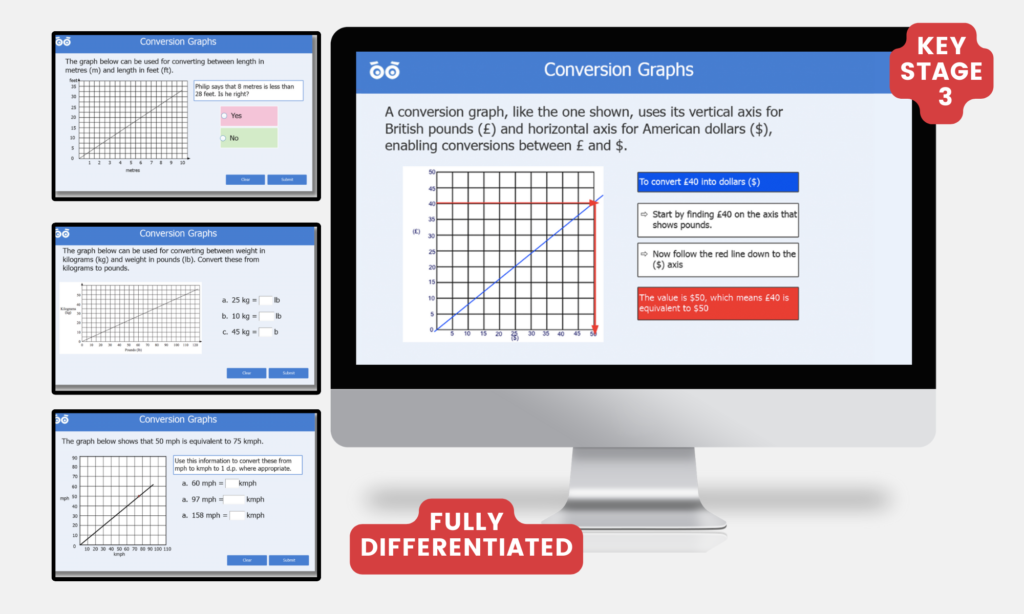
conversion graphs (1)

Conversion Graphs

Become a Member Description By the end of this unit, students will:Understand the concept of conversion between different units of measurement.Interpret conversion graphs and extract…
Target Grade:

Lesson Overview

Conversion Graphs

conversion graphs (1)
Description

By the end of this unit, students will:

  1. Understand the concept of conversion between different units of measurement.
  2. Interpret conversion graphs and extract relevant information.
  3. Use conversion graphs to convert between units of measurement.
  4. Apply the concept of conversion graphs to real-life and mathematical problems.

Key Stage 3: Ratio, proportion and rates of change

  • change freely between related standard units [for example time, length, area, volume/capacity, mass]

Not a Member Yet?

Get Unlimited Access to the Entire Library of Resources.

Trusted by Educators and Loved by Students Worldwide

Choose Your Plan

Maths and Science

£ 7
99

Monthly
  • Access to all subjects
  • Downloadable resources
  • Progress tracking for one user
Best Value

Maths

£ 4
99

Monthly
  • Access to all Maths Content
  • Downloadable resources
  • Progress tracking for one user

Science

£ 4
99

Monthly
  • Access to all Science Content
  • Downloadable resources
  • Progress tracking for one user

Maths and Science

£ 12
99

Monthly
  • Access for multiple users
  • Access to all subjects
  • Downloadable resources
  • Progress tracking for all users
Best Value

Maths

£ 7
99

Monthly
  • Access for multiple users
  • Access to all Maths Content
  • Downloadable resources
  • Progress tracking for all users

Science

£ 7
99

Monthly
  • Access for multiple users
  • Access to all Science Content
  • Downloadable resources
  • Progress tracking for all users
Last updated on: February 16, 2026

More Resources You’ll Love

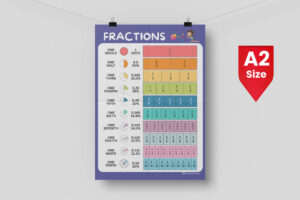
fraction strip decimal percentage math poster
Fraction Strip Decimal Percentage Math Poster
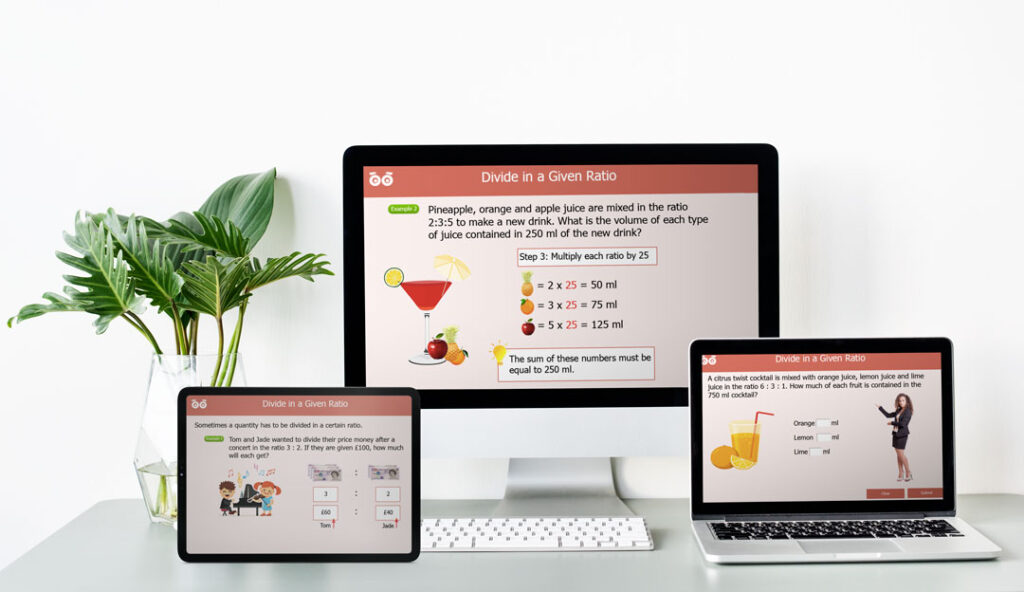
divide in a given ratio
Directed Numbers
divide in a given ratio
Finding Range – Measures of Dispersion
Bearings and Compass Points